
History & Culture
Discover the journey of Gigóia Island: from a fishing village to the cultural and gastronomic oasis of Rio de Janeiro.

📸 Memory Album: The Island in the Past
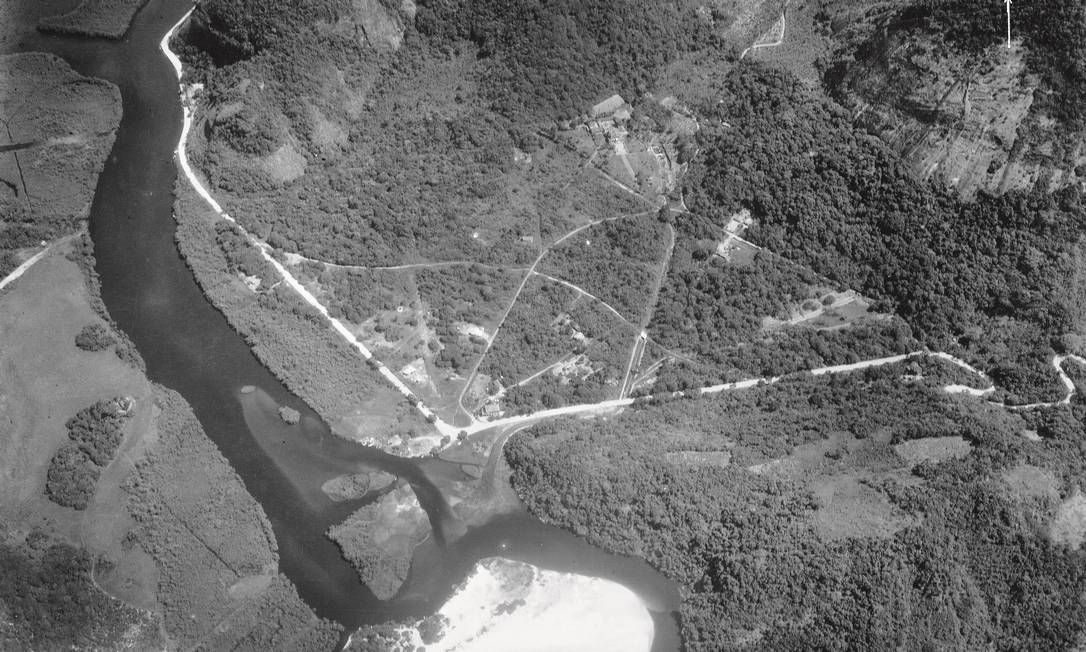
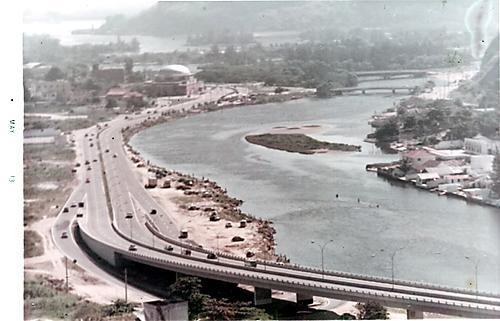
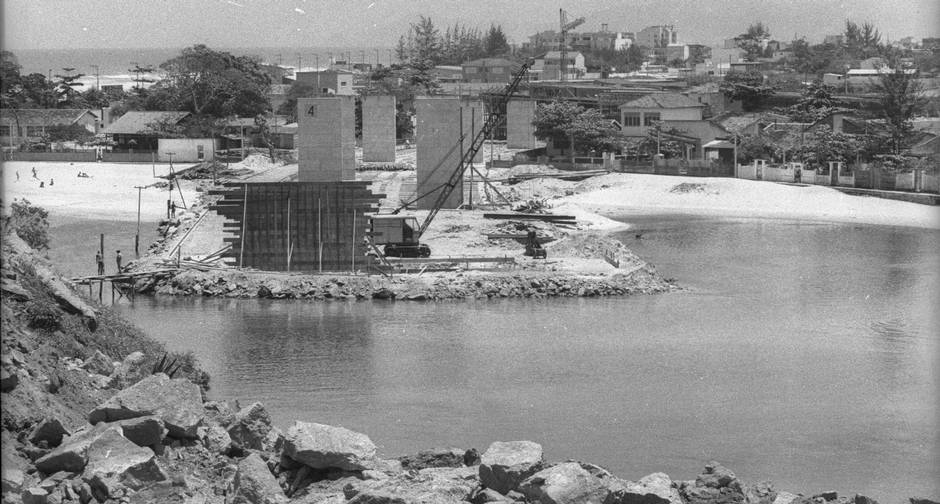
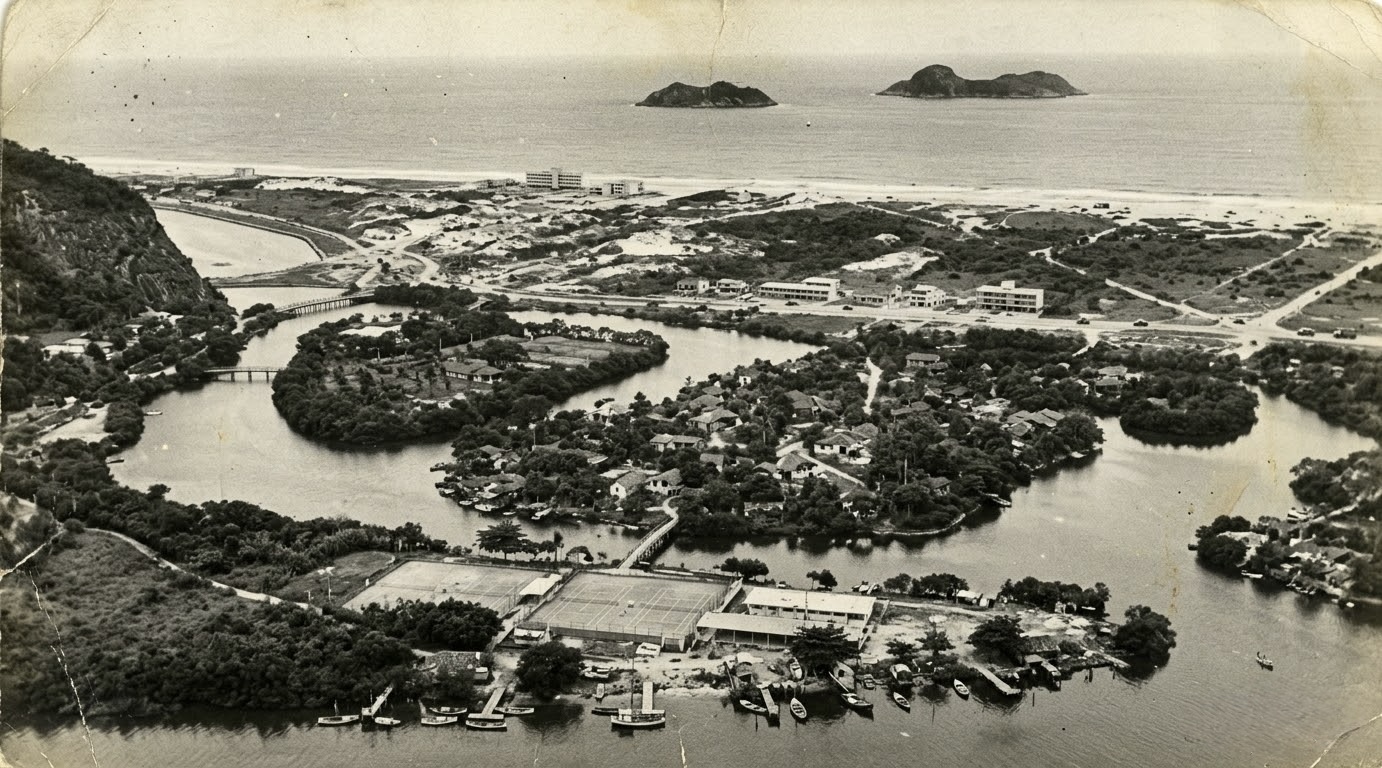
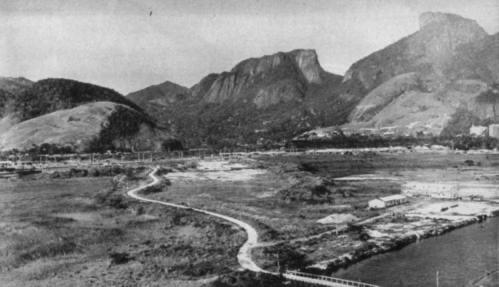
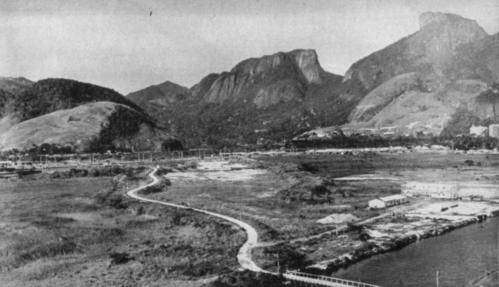
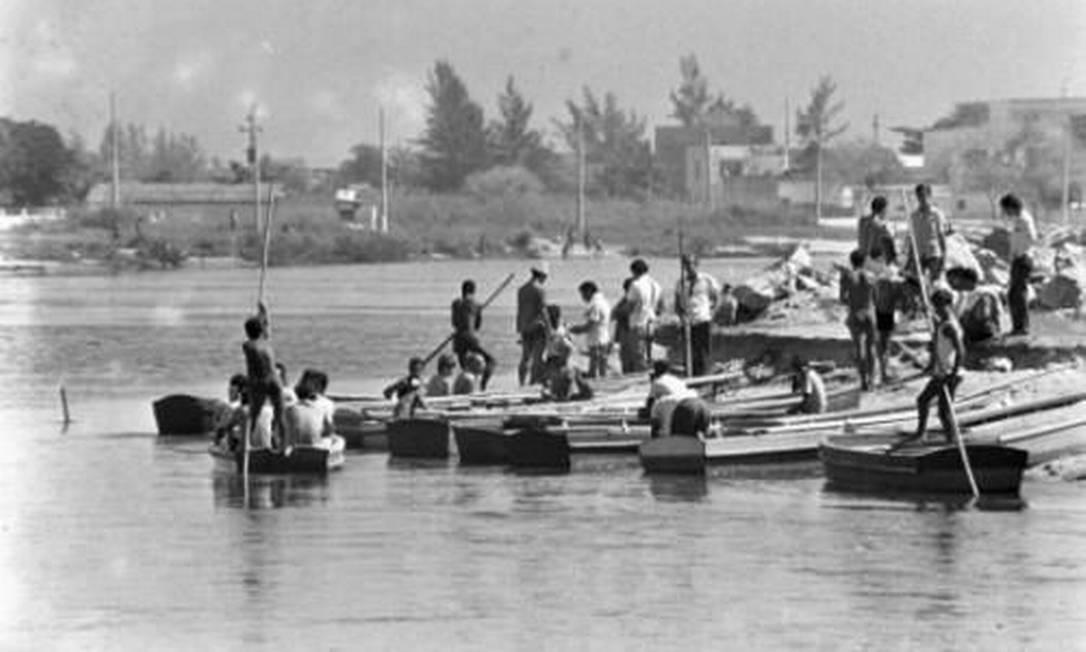
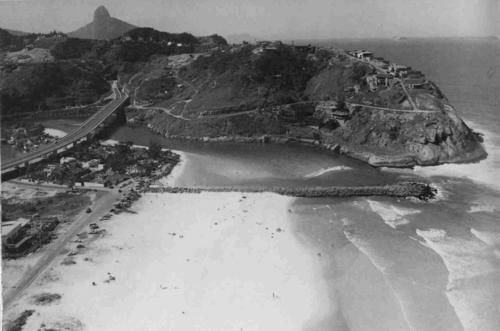
From Fishing Village to Carioca Refuge
Gigóia Island is part of a small archipelago in the Tijuca Lagoon. In the past, the region was predominantly inhabited by fishermen and families who lived by extracting natural resources from the lagoon. The isolation, guaranteed by the lack of bridges, kept the island with a small-town atmosphere for decades.
With the rapid growth and urbanization of Barra da Tijuca starting in the 1970s and 1980s, Gigóia began to attract artists, musicians, and people seeking a lifestyle closer to nature, away from the asphalt.
Origin of the Name
The name "Gigóia" comes from an aquatic plant (water hyacinth) common in the region. It blooms in the lagoon and symbolizes the resilience of local nature in the face of urbanization.
Art and Bohemians
Today, the island is painted with murals, houses studios of renowned artists, and offers plenty of live music, maintaining its bohemian and creative soul.
Community and Preservation
The absence of cars is the most striking feature of Gigóia. The narrow alleys shaped a united community, where the pace is human and the ferry is the link to the mainland. This unique dynamic reinforces the constant need to preserve the waters that surround us.